Food and drink
Gấc Fruit: Season, Taste and Where to Try Xôi Gấc
The red gấc fruit, its short season, how it is grown, and the red sticky rice served at Tết and weddings.
3 min read
A complete guide about Vietnam since 2001
Culture and customs
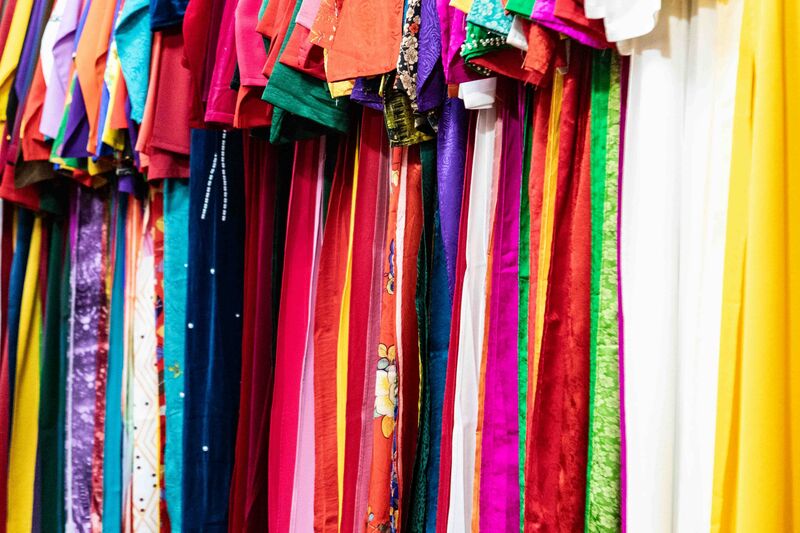
Vietnamese traditional dress explained: what each garment is, when people wear it today, and where a visitor can see one or have one made.
Vietnamese traditional dress is a family of garments, not one outfit. The most familiar is the áo dài, a long tunic split at the sides and worn over trousers. Older pieces include the yếm, a simple bodice, and the áo tứ thân, a four part tunic, and this guide covers each one and where a visitor will see it.
Food and drink
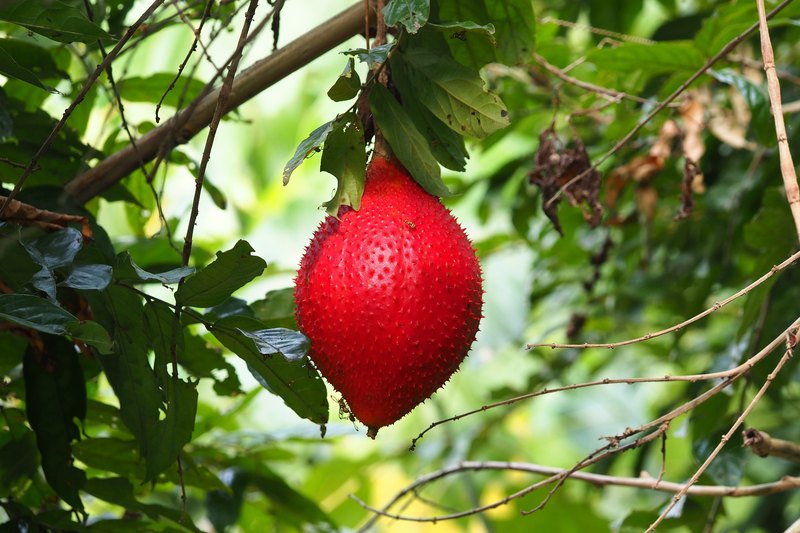
The red gấc fruit, its short season, how it is grown, and the red sticky rice served at Tết and weddings.
3 min read
History
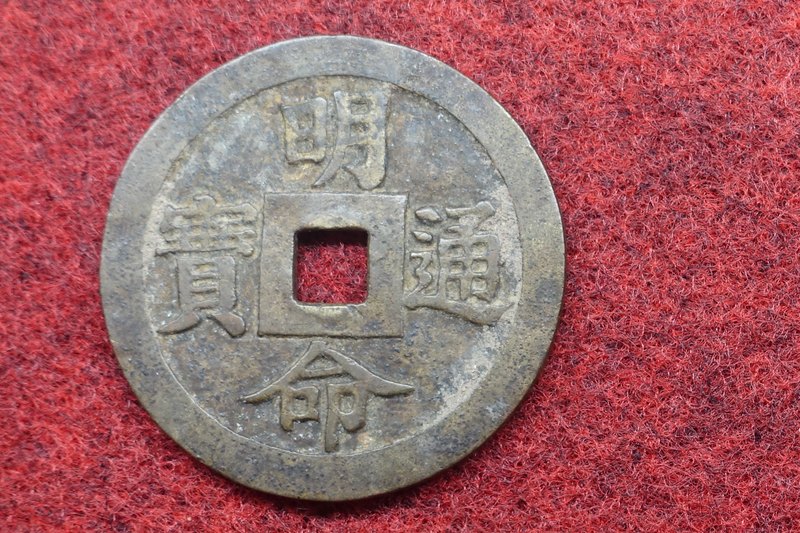
Ancient Vietnamese coins: round cash coins with a square hole, cast for each reign from the 900s to 1945, and how to read their four characters.
4 min read

Places
The Mạc Đĩnh Chi Cemetery in Sài Gòn: what it was, why its graves were moved in 1983, and what a visitor sees at Lê Văn Tám Park now.
4 min read
Language
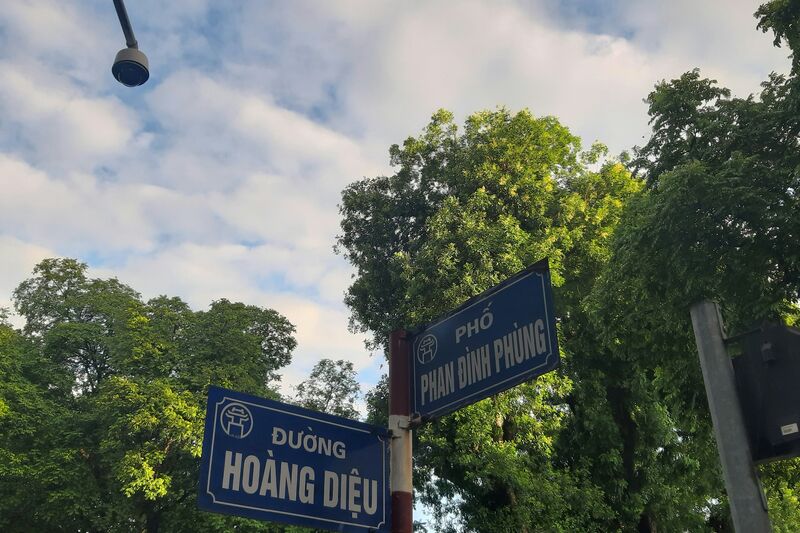
The Vietnamese Latin alphabet, quốc ngữ: how a spelling made by missionaries in the 1600s became the national script, and how to read its marks.
4 min read
History
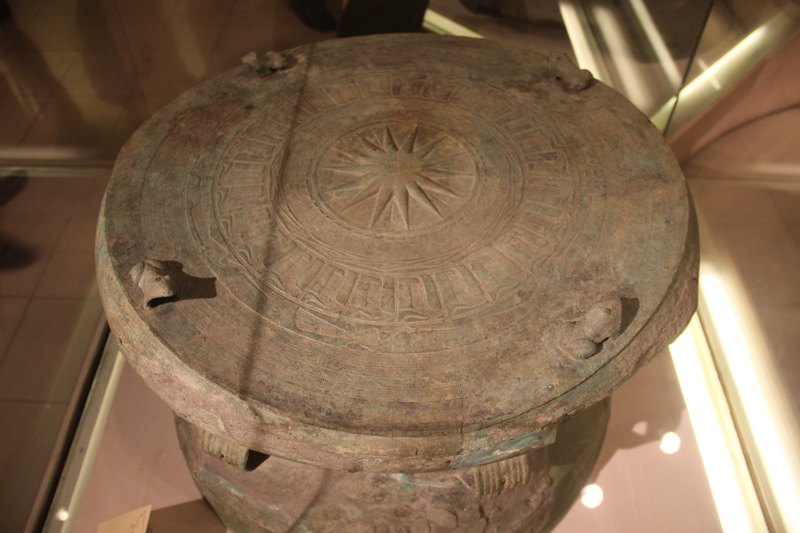
Đông Sơn bronze drums: what they are, how old they are, what their scenes show, and the Hà Nội museum where a visitor can see them.
4 min read
Language
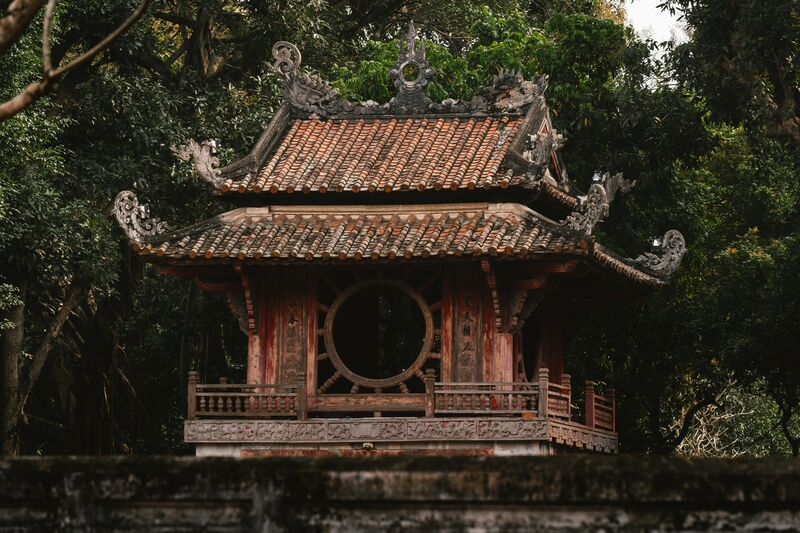
Sino-Vietnamese words: why so many Vietnamese words come from Chinese while the language belongs to a different family, and what a visitor hears.
3 min read
Places
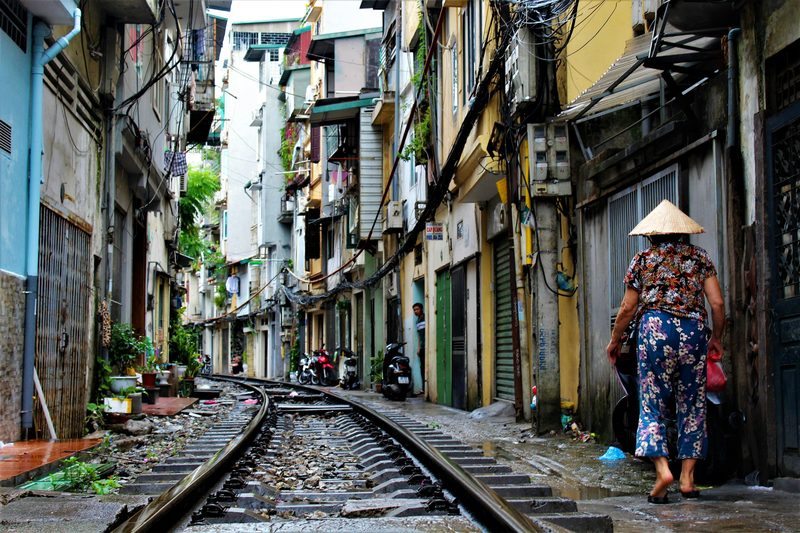
Hanoi Train Street is a working rail line from 1902 that runs a hand's width from homes and cafes. Its history, the 2019 closure, the 2026 cuts and safety.
5 min read
Food and drink
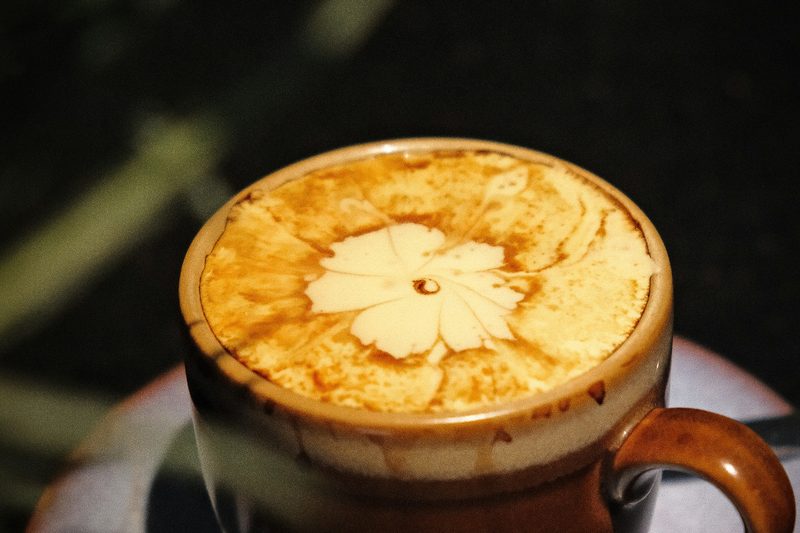
Egg coffee is Hanoi's cà phê trứng, strong drip coffee under a warm cream of whipped egg yolk, sugar and condensed milk. Where it came from, how it is made, how to drink it.
5 min read
The áo dài is a fitted long tunic with a high collar that splits into a front and back flap over loose trousers. The áo tứ thân is an older four part tunic from northern Vietnam that opens at the front like a jacket. It is worn with a long skirt, a yếm underneath and a silk sash. Read the guide
Gấc is a round, spiny fruit from a climbing vine in the melon family, and it turns deep orange and red when ripe. The bright red layer around its seeds, called the aril, is the part used in cooking. Read the guide
Two of the four Chinese characters on the face give the reign name, such as Cảnh Hưng. The characters are read top, bottom, right, left, or around the coin, so try both orders when you look a coin up in a catalog. Read the guide
It was a cemetery. The French opened it in 1859, and it was later called the Mạc Đĩnh Chi Cemetery. In 1983 the city moved the graves and built a park on the land. Read the guide
The archive
From 2001 to 2004 the first Vietnam Journal published essays, papers, poems and translations by students and scholars. All 143 are in the archive in full, with credit to their authors.